JAMA Spotlight: Supporting the U.S. Workforce
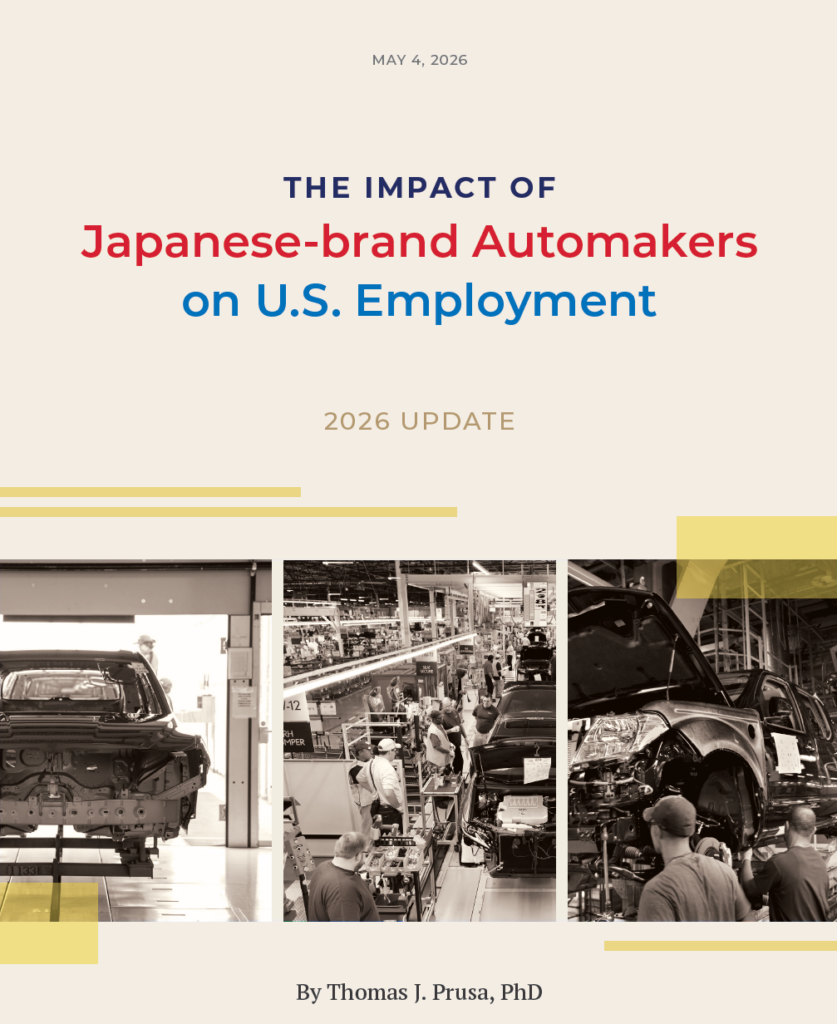
In a new update to a longrunning report from Dr. Thomas J. Prusa at Rutgers University, Japanese-brand automakers’ impact on the U.S. automotive industry and economy is abundantly clear. The direct employment of JAMA members’ manufacturing and supporting operations, along with their dealer networks, support a record-high of nearly 2.39 million American jobs across the country.
Who are the 2.39 Million?
Direct Jobs
Intermediate Jobs
Spin-off Jobs
Leaders in Workforce Development
In addition to being massive job creators they are also leaders in workforce development. A 2025 white paper authored by experts from Opportunity America and the Progressive Policy Institute discuss how JAMA members’ U.S. organizations offer successful models of employer engagement to develop the American workforce. The various ways in which employers can engage are outlined below.
Advisory Committees
Many educational institutions that provide workforce education maintain standing committees of employers who meet regularly to offer advice about changing industry trends and fluctuating labor demand.
Curriculum Development
Training providers need help identifying in-demand skills and appropriate skill levels – what exactly is needed to be successful in a given job. Employers can help by working with instructors to ensure that the curriculum is apt and up to date.
Upskilling & Reskilling
Workers need new skills to keep up with the technology transforming the workplace. Employers can help by partnering with education providers to offer customized upskilling and reskilling, investing in trusted incumbent workers and promoting them within the company.
Student Outreach and Support
Workforce educators are sometimes unsure who would make the best job applicants or how to prepare them for the workplace. Employers can help colleges market workforce education, recruit learners, and provide career counseling and coaching.
Monetary & In-Kind Contributions
Some colleges deliver programs using employers’ equipment or facilities. In other cases, employers contribute toward operating costs or cooperate to build new educational facilities. Still other firms offer to pay some or all of students’ tuition fees, and many cover the cost of consumables used in workforce education programs.
Work-based Learning
Work-based learning opportunities include internships, externships, co-ops, clinical placements, and full-time earn and-learn experiences. The best programs bring learners into the company for on-the-job experience sometimes paid – coordinated with related classroom instruction.
Click below to view and download our recent reports
2025 White Paper

2026 Jobs Study